

The Comprehensive Role of Senior Housing Real Estate Advisors
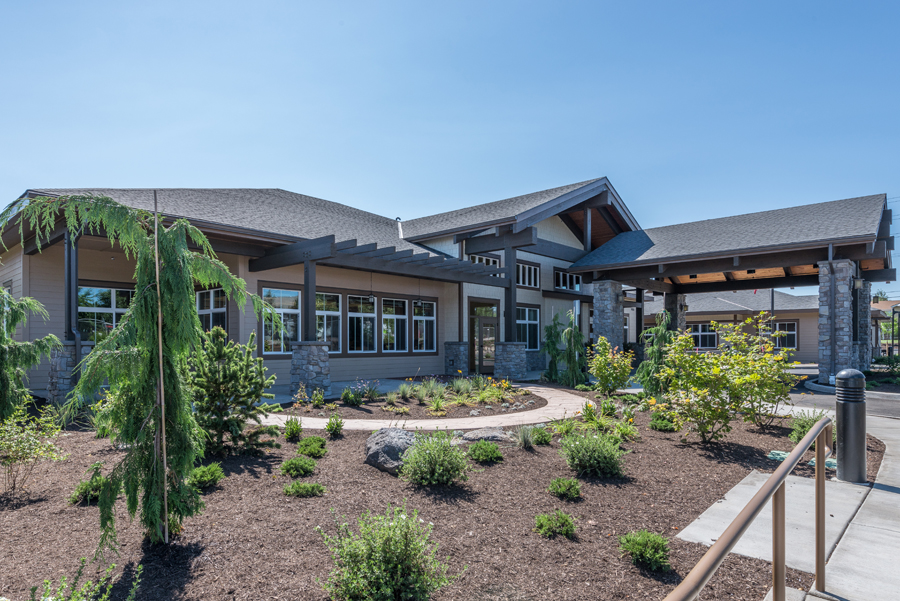
Senior housing real estate advisors provide specialized guidance that general real estate professionals typically can’t. Their work covers market analysis, financing, design, operations, and regulatory compliance, all shaped around the specific needs of an aging population rather than a general residential or commercial project.
Firms like BC Group work as an advocate throughout that process, helping developers, operators, and investors make informed decisions at every stage of a senior housing project.
Market Analysis and Site Selection
Understanding local demand is the starting point for any senior housing project. A qualified advisor evaluates:
- Demographic trends specific to the target age group and care level
- Existing senior housing supply and competitive positioning nearby
- Growth forecasts that indicate whether demand will support the project long-term
Site selection then follows from that analysis. A location has to work on two levels: it needs to be accessible and convenient for older residents and their families, and it needs to make sense from a demand and growth standpoint. Getting this step wrong is one of the most expensive mistakes a senior housing project can make, since it’s difficult to fix after ground has broken.
Financing a Senior Housing Project
Senior housing developments require substantial capital, and the financing landscape is more specialized than typical multifamily or commercial financing. An experienced advisor helps evaluate funding paths that may include:
- HUD-insured loan programs designed specifically for senior housing and healthcare facilities
- Low-Income Housing Tax Credits (LIHTC) for affordable senior housing projects
- Private equity and institutional capital
- Real estate investment trusts (REITs) that specialize in senior housing assets
Note: Specific loan programs and tax credit eligibility vary by project type, location, and current federal and state guidelines. Confirm current program details before presenting them as fixed terms to a client.
Beyond identifying funding sources, advisors help structure financial models that account for the long operating horizon senior housing typically requires, since these facilities are usually held and operated for decades rather than sold shortly after completion.
Design and Development Considerations
Senior housing has to meet needs that most other residential development doesn’t. That typically includes:
- Accessibility features such as wider doorways, grab bars, and single-level or elevator-served layouts
- Safety systems appropriate to the care level, from independent living through memory care
- Common spaces designed to encourage social interaction and reduce isolation
- Integration with on-site or nearby medical and care services, depending on the facility type
An advisor works alongside architects and contractors to make sure these requirements are built in from the earliest design phase, rather than added as costly changes later. This kind of design planning draws on the same expertise the firm applies across multifamily development, adapted to the specific needs of senior residents.
Operational Strategy and Facility Management
Once a facility opens, the advisor’s role shifts toward supporting long-term operational success. This includes guidance on:
- Facility management best practices specific to senior housing
- Resident retention and satisfaction strategies
- Staffing and service-quality standards appropriate to the care level offered
Getting operations right matters just as much as getting the building right. A well-designed facility with weak operations can struggle just as much as a poorly planned one. For more on the value this kind of ongoing guidance provides, see consultant benefits for affordable senior housing developers and owners.
Regulatory Compliance and Risk Management
Senior housing is one of the more heavily regulated real estate sectors, since resident health and safety are directly at stake. An advisor helps clients track:
- State licensing requirements specific to the level of care being offered
- Health and safety regulations that apply to senior living and care facilities
- Changes in legislation that could affect ongoing operations or future development
Advisors also help assess risk exposure tied to ownership, investment, and day-to-day operations, and recommend strategies to reduce that risk before it becomes a costly problem.
How This Differs From General Real Estate Advisory
A general real estate advisor or broker may understand site selection and financing broadly, but senior housing requires expertise in care-level-specific design, healthcare-adjacent financing programs, and a regulatory environment that doesn’t apply to standard residential or commercial projects. That’s the gap a dedicated senior housing advisor is meant to close. For more on how advisory roles are often misunderstood, see common misperceptions about real estate construction management advisors.
The Bottom Line
As the population ages, demand for senior housing that’s safe, well-designed, and financially sustainable will only keep growing. A senior housing real estate advisor brings together the market knowledge, financing expertise, design standards, and regulatory awareness needed to deliver projects that work, both for the people who will live there and the organizations that develop and operate them.
Need help evaluating a senior housing project? Meet our team, visit our senior housing development advisory services, or get in touch to talk through your project.
Frequently Asked Questions
How is a senior housing real estate advisor typically paid?
Fee structures vary by firm and scope of work. Some advisors work on a flat consulting fee, others on a percentage of project cost or a retainer basis for ongoing advisory work. It’s worth clarifying fee structure and scope directly with any firm you’re considering.
When should I bring in a senior housing advisor?
As early as possible, ideally during initial feasibility and site selection. Financing, design, and regulatory requirements are much easier to plan around before land is acquired or design work begins.
Do senior housing advisors need a specific license or credential?
Requirements vary by state and by the specific services offered, such as brokerage versus consulting. It’s reasonable to ask any advisor directly about their relevant licensing and experience with senior housing projects specifically.
What’s the difference between independent living, assisted living, and memory care from a development standpoint?
Each level of care comes with different design, staffing, and regulatory requirements. Independent living generally has the fewest specialized requirements, while memory care involves the most specific safety, staffing, and design considerations.
Is senior housing a good investment right now?
This depends heavily on location, demographics, project type, and financing structure. An advisor can help evaluate a specific opportunity, but broad market conditions alone don’t determine whether an individual project will succeed.